 EN
EN
EN

Cleanroom (clean booth)
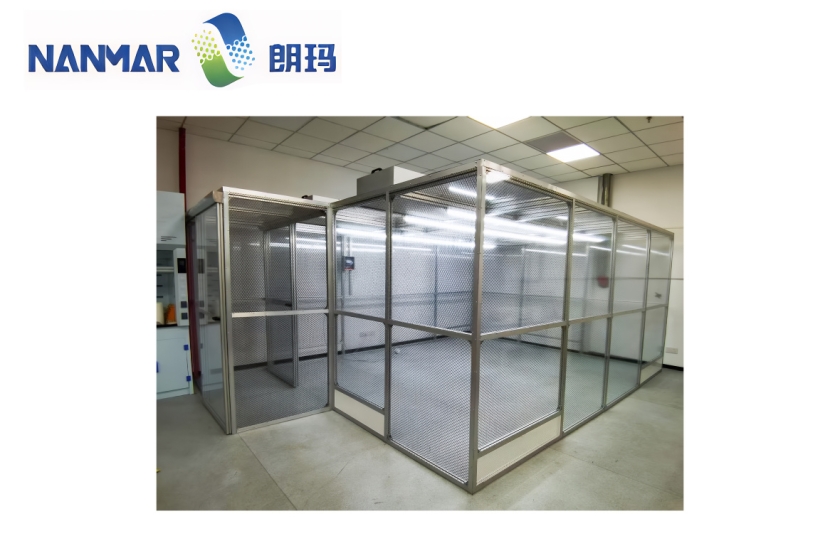
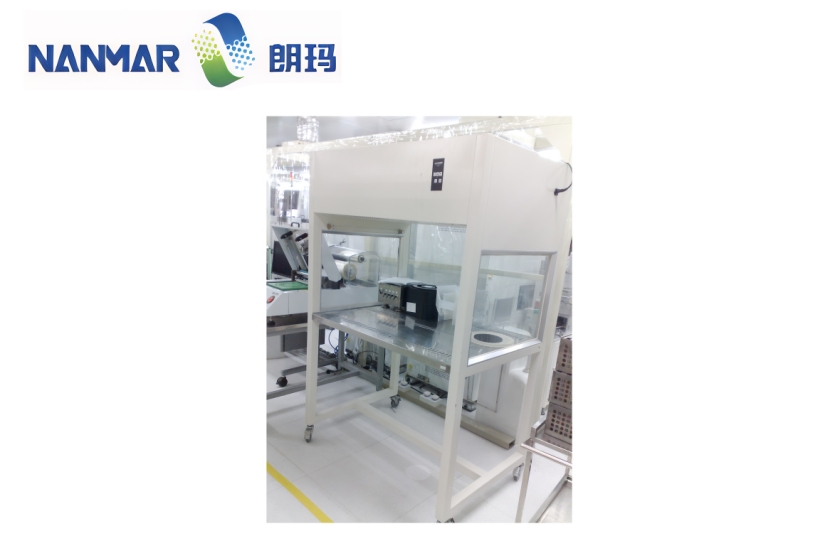
Cleanroom booth (also known as a clean booth, purification booth, or simple cleanroom) is a modular, portable, localized high-cleanliness environment device. It uses FFUs (fan-filter units) in conjunction with HEPA/ULPA high-efficiency filters to create a vertical unidirectional laminar flow, achieving a cleanliness level of 100–10,000 (ISO 5–8). It is suitable for scenarios requiring high cleanliness in specific areas, such as electronics manufacturing, biomedicine, and precision assembly.
Clean Booht's structural composition&core advantages&typical applications& features.
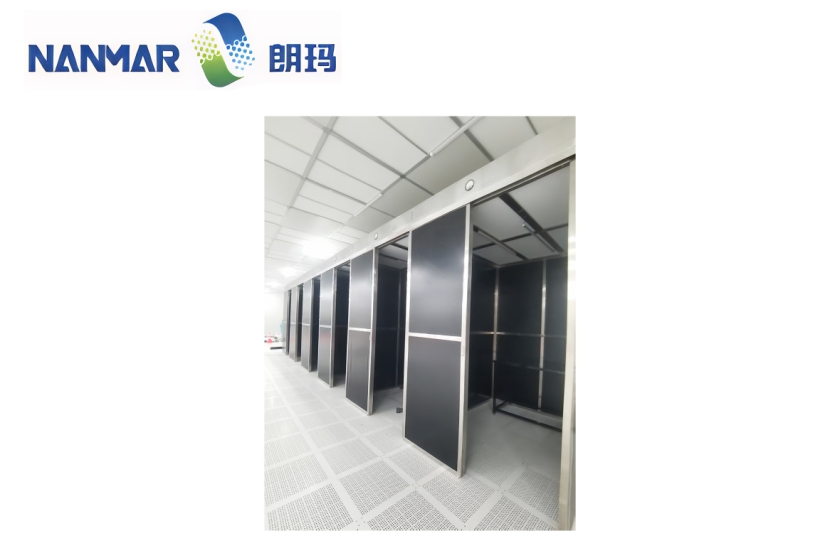
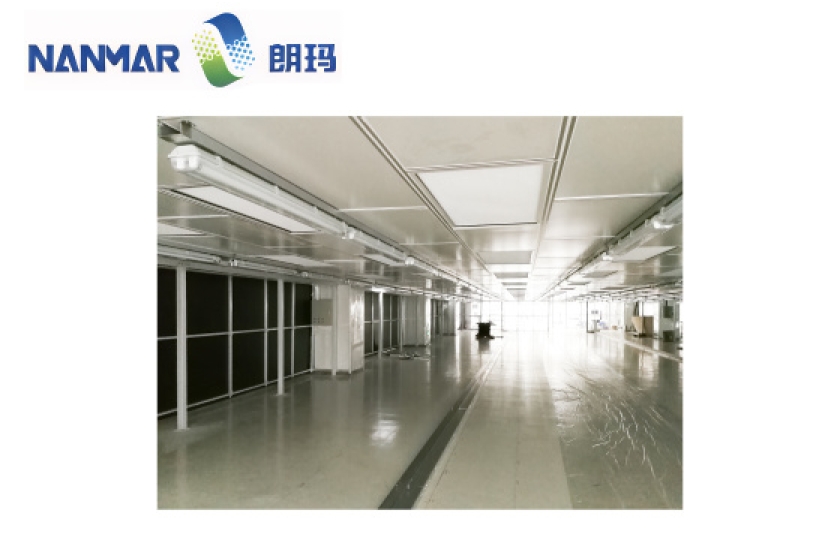
**Structural Composition:** Industrial aluminum profile/stainless steel frame + anti-static PVC curtains or tempered glass enclosure + top-mounted FFU air supply system (including pre-filter + HEPA filter) + cleanroom lighting.
**Working Principle:** The FFU draws in air from the top, filters it through multiple stages, and then delivers it vertically at a uniform speed of 0.45 m/s ± 20%, creating a unidirectional laminar flow and maintaining a slight positive pressure. It effectively traps particles ≥0.3μm (filtration efficiency ≥99.97%).
**Core Advantages:** Quick installation (approximately 1 week), low cost (approximately 40%–60% of a traditional cleanroom), mobile, and easily expandable. However, it has limitations such as noise, stuffiness, and reliance on personnel/material cleanliness management.
**Typical Applications:** SMT placement areas, aseptic filling, optical debugging, semiconductor rework, laboratory workbenches, and other areas requiring high cleanliness. Cleanliness levels: Commonly classified as Class 100 (ISO 5), Class 1000 (ISO 6), and Class 10,000 (ISO 7), customized based on the number of FFUs, airflow velocity, and sealing. They are not suitable for processes requiring strict temperature and humidity control or complete cleanliness throughout the entire space. Cleanroom booths are non-enclosed cleanrooms; the main source of contamination is the movement of people and materials. They require the use of cleanroom suits and standardized operating procedures. Their "simple" nature makes them suitable for temporary, localized, or transitional cleanliness needs, rather than high-standard, full-environment scenarios such as GMP/Class A certification.


 VI
VI
 CN
CN
 TH
TH