 EN
EN
EN

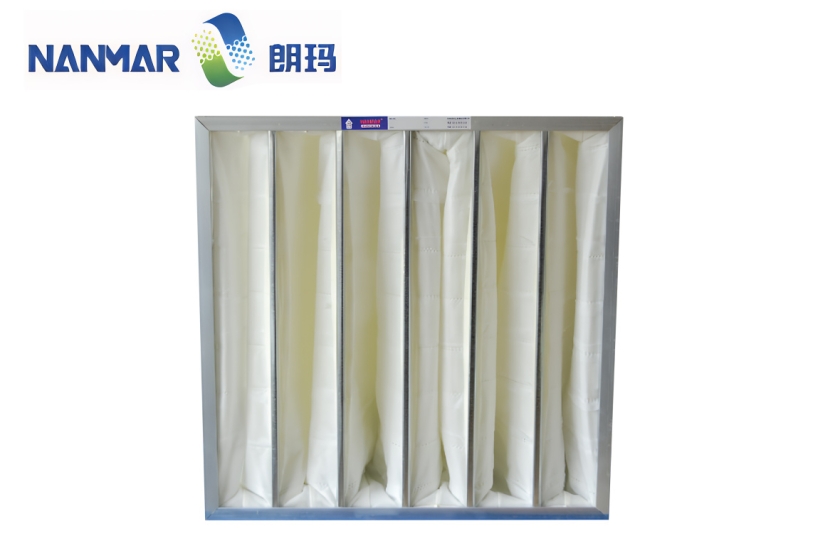
Plate-type high-efficiency filter
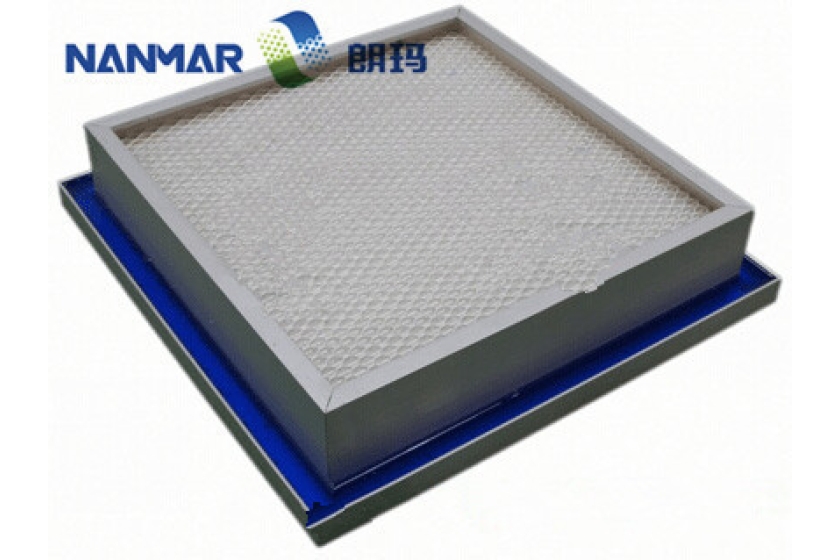
Plate-type high-efficiency filter, the core terminal filter component of a fresh air/air purification system.
Structure: The outer frame is generally made of aluminum alloy profile, and the internal filter media is OE pleated HEPA high-efficiency filter paper. Hot melt adhesive is used to separate the filter area, and the frame has a sealed structure to ensure filtration efficiency.
Core Function: Captures fine particulate matter and suspended impurities smaller than 0.5μm. After passing through the pre-filter/medium-efficiency filter, it thoroughly removes remaining pollutants, ensuring clean air output.
Typical Application Scenarios:
1. Residential Scenarios: Compatible with home air purifiers and air purification systems, filtering outdoor PM2.5, pollen, dust, and other pollutants to improve indoor air quality. Suitable for ordinary residences and office spaces.
2. Industrial Scenarios: Can be used in cleanrooms, electronic component manufacturing plants, clean laboratories, and other places with high air cleanliness requirements, serving as the final guarantee of the filtration system to prevent tiny impurities from affecting the production or experimental environment.
Usage and Maintenance Reference:
The replacement cycle for this type of high-efficiency filter is generally 1-2 years. The actual replacement time needs to be adjusted according to the degree of air pollution in the usage scenario; the more polluted the area, the higher the replacement frequency.
Structural Specifications:
• Outer Frame: Most products in this category have a moisture-proof aluminum alloy frame. Some low-cost models use a hard plastic cardboard frame. Dimensions are customized based on the compatible model. Common household sizes are 200-300mm, while industrial standard sizes are 1220-915mm. Thicknesses are typically 45-95mm.
Filter Media: Mainstream models use ultra-fine glass fiber filter paper. Some affordable household models use electret-treated PP meltblown filter media.
• Operating Environment Parameters: Generally, it can withstand a maximum continuous operating temperature of ≤70°C and humidity up to 100%RH, making it suitable for high-humidity fresh air applications.
Technical Specifications:
**Filtration Efficiency**
Classified by EN standards from H10 to H14: Household fresh air systems commonly use H11-H13 levels, achieving a filtration efficiency of 95%~99.97% or higher for particles with a diameter of 0.3μm. Industrial/medical cleanrooms typically use H14 level, with a filtration efficiency exceeding 99.995%, capable of capturing fine particles, bacteria, and other pollutants of 0.1~0.5μm.
**Rated Airflow**
Measured in m³/h, representing the volume of air the filter can handle under rated resistance. Common household specifications range from 200 to 1500 m³/h, while large industrial filters can reach thousands to tens of thousands of m³/h. For example, a 1220*915mm industrial filter has a rated airflow of approximately 1800 m³/h.
**Resistance Parameters**
Includes initial resistance and final resistance: The initial resistance of a brand new filter element is generally 100~250Pa. The industry recommends replacing the filter element when the resistance reaches ≤500Pa. The final resistance of ultra-low resistance fresh air system filters is generally 140~180Pa.
**Dust Holding Capacity (CCM)**
The unit is generally mg. It represents the maximum amount of pollutants the filter element can hold. The higher the CCM value, the longer the filter element's lifespan. It is a core reference indicator for measuring filter element cost.


 VI
VI
 CN
CN
 TH
TH